How to Shop Savvy: 5 Supermarket Tips That Keep Your Bill Down
Supermarkets are designed, from the front doors right through to the checkout lanes, to get as much money out of your pocket as possible.
Over 20 years working as a chef, I've had to cost out hundreds of menus down to the exact cent. When you start looking at your own grocery shop through a kitchen budget lens, you spot the small habits that double your bill every single week.
Here are five things I do on every shop.
1. Eyes open for the yellow sticker
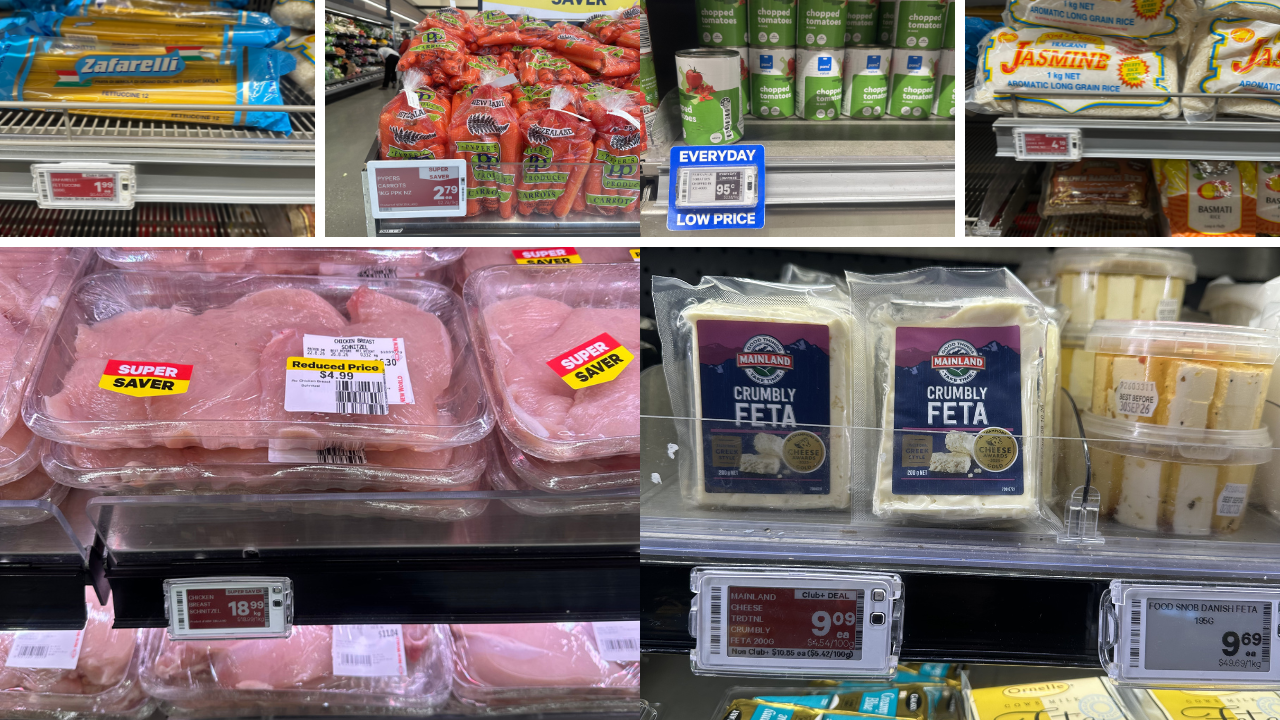
Supermarkets mark down anything coming up on its best before date, anywhere from 20% to 70% off. Every store has its own markdown routine, usually early morning or late afternoon before closing, so work out when yours happens and shop then. Mine is ALWAYS first thing in the morning.
When you spot discounted mince, steak or chicken, you don't have to cook it that night. Portion it out when you get home and get it straight into the freezer.
Build the week's dinners around what's marked down instead of sticking rigidly to what you think you have to use. Sometimes it's chicken thigh on the menu, but there is the same amount but cheaper of a whole chicken, because it has a yellow sticker! I will often go with that instead.
2. Seasons in the veggie aisle
When a vegetable is in peak season locally, supply is huge, so two things follow. It's at the lowest price, and it actually tastes of something, because it hasn't spent weeks ripening in a tray somewhere.
Buy courgettes or strawberries in the middle of winter, and you're paying double. Buy whatever is plentiful, crunchy and affordable right now. If a recipe calls for broccoli and the cauliflower or cabbage is half the price this week, make the swap.
3. Don't settle for the pre-packed size; use the counter
Here's the classic one. You're cooking for two, and you need 300g of chicken breast. You get to the meat fridge, and every tray is 600g or a kilo. So you spend $15 instead of $7.50.
Walk up to the service counter or the in-store butcher and ask for what it is you're looking for. That way you only pay for what you actually need! Almost nobody does this, and it's the easiest change on this whole list.
4. Make the own-brand switch on your staples
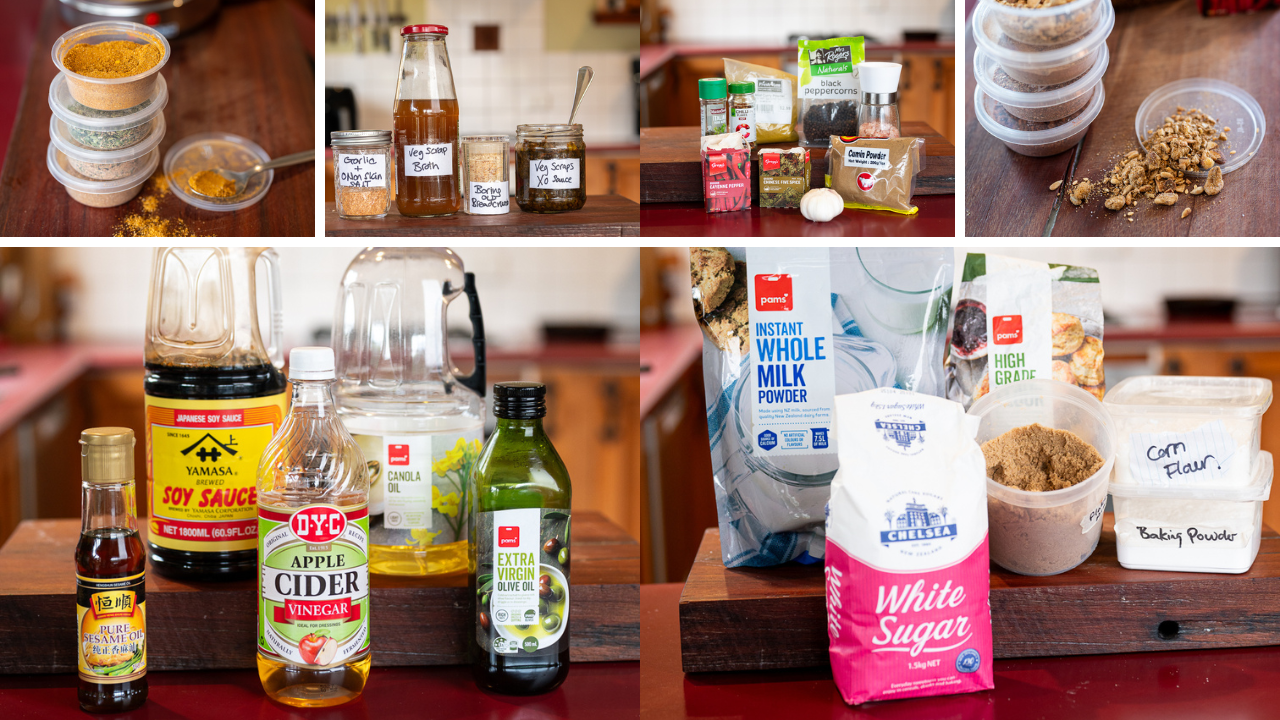
Supermarket house brands very often come out of the same manufacturing facilities as the high-end branded products. I have actually compared so many own brands with expensive and often there is nothing in it. So have a little looky next time; you can easily save $$ on your shop, and those 50c and $1 savings across 20 items in the trolley add up quickly.
For pantry staples like rolled oats, flour, tinned tomatoes, tinned beans and sugar, make the switch to own brand.
5. Be flexible with brands when things are on special
Say you need pasta or noodles for a midweek dinner. Most of us walk up to that shelf on autopilot and grab the same brand we always buy. But a competing brand might be half price.
Check the unit pricing, the price per 100g, and be willing to switch based on what's on promotion this week. Being flexible to try others. If the price is right!
Keeping your food budget under control is about shopping smarter so there's more left in your pocket at the end of the week.
Pick one of these and try it on your next shop. See what it does to the total at the checkout.
Del x