
Gnocchi Parisienne - Easy Homemade Gnocchi No Potatoes NEEDED
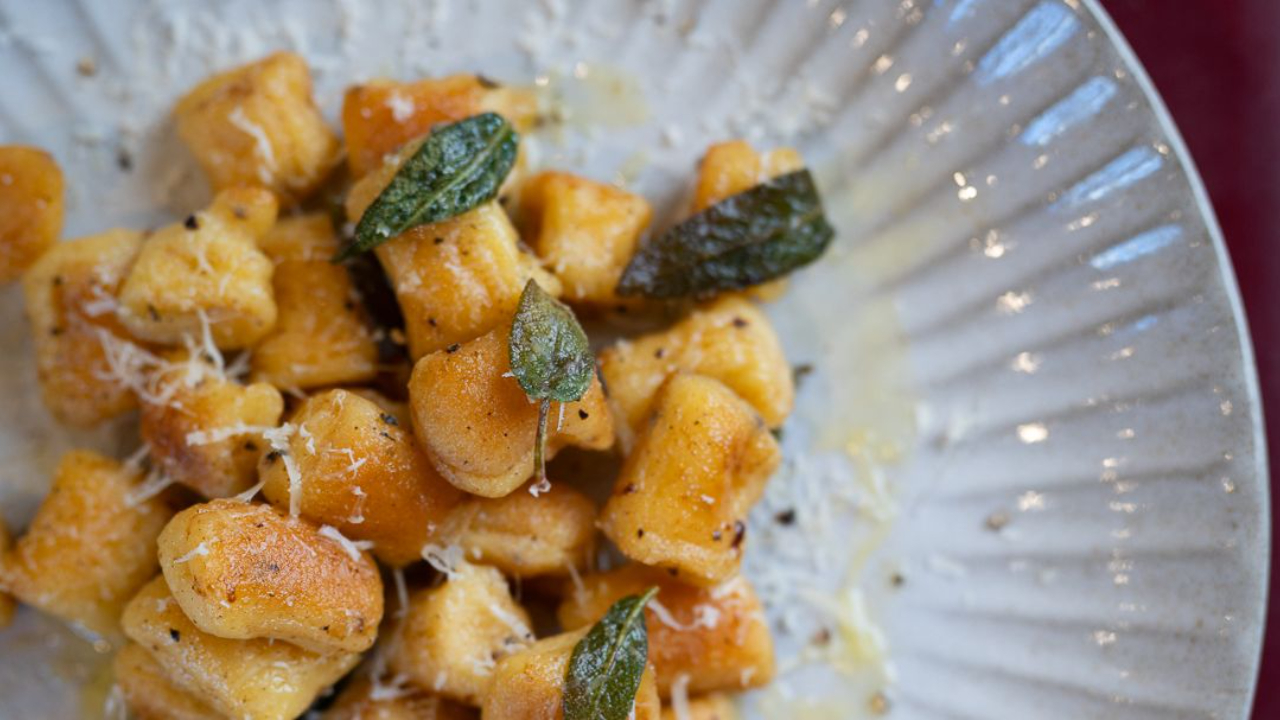
Gnocchi parisienne is the no-potato gnocchi nobody is talking about: a choux pastry dough piped into boiling water, blanched, then pan-fried until golden and crispy. No peeling, no gluey grey lumps, and it freezes BEAUTIFULLY after blanching so you can bank a restaurant-quality dinner for later. I am showing you the base dough plus two completely different ways to serve it: a classic French sage brown butter, and an Asian-inspired marmite butter with chilli crunch. Let's cook!
Why This Gnocchi Parisienne Works
Gnocchi parisienne takes about 50 minutes start to finish and swaps the whole potato-mashing, ricing, and worrying about gluey dough for a savoury choux pastry base, the same technique used for eclairs and profiteroles. Most people are put off potato gnocchi because it falls apart or turns gluey; this version holds its shape every time and fries up lighter and crispier than potato gnocchi ever does. What makes it different is that it freezes beautifully straight after blanching, so a single batch gives you dinner tonight and a banked dinner for later. I make it by hand with a wooden spoon every time to prove a stand mixer is not required, though one will get you there a little faster if you have it.
Recipe Details
- Prep Time: 20 minutes
- Cook Time: 30 minutes (including blanching and pan-frying)
- Total Time: 50 minutes
- Serves: 4 (or 2 now and 2 portions in the freezer)
- Difficulty: Medium
- Special Equipment: Large saucepan, piping bag or two spoons, large frying pan
Gnocchi parisienne is essentially a savoury choux pastry dough. You bring water and butter to the boil, beat in flour to form a smooth paste, cook it out, then add eggs one at a time exactly as you would for eclairs or profiteroles. The difference is you pipe the dough straight into salted boiling water, blanch until they float and firm up, then finish in a hot pan with butter until golden and crispy on the outside. I always cook the dough out for the full 2 to 3 minutes even when it looks ready sooner, because that extra minute of drying is what stops the finished dough turning too soft to hold its shape once piped. The dough is endlessly customisable: the base recipe below makes a classic version flavoured with Dijon mustard and parmesan, and if you want the Asian-inspired version, you simply add chilli crunch and coriander to the same dough before piping.
Ingredients
For the Classic Gnocchi Dough:
- 240ml water
- 50g unsalted butter
- 155g plain flour
- 1/2 tsp salt
- 3 eggs
- 1 tbsp Dijon mustard
- 25 to 40g parmesan or pecorino, finely grated
- A good crack of black pepper
For the Asian-Inspired Dough (add to the base dough above):
- 1/2 tsp chilli crunch
- 1 tsp fresh coriander, finely chopped
To Blanch:
- A large pot of well-salted boiling water
For the Classic Sage Brown Butter Sauce:
- A small glug of neutral oil
- 50g butter
- A good handful of fresh sage leaves
- A squeeze of lemon
- Extra parmesan, finely grated, to finish
- Black pepper
For the Asian-Inspired Marmite Butter Sauce:
- A small glug of neutral oil
- 20g butter
- 1/4 tsp Marmite (or miso paste)
- A splash of water
- 1/2 tsp chilli crunch, to finish
How to Make Gnocchi Parisienne
- Bring water and butter to the boil: Put the water and butter into a medium saucepan over a medium-high heat. Bring to the boil, making sure the butter has fully melted before the water reaches boiling point.
- Add the flour and salt: Take the pan off the heat and tip in all the flour and salt at once. Beat vigorously with a wooden spoon until the mixture comes together into a smooth ball that pulls away from the sides of the pan cleanly.
- Cook out the dough: Return the pan to a low-medium heat and continue beating for 2 to 3 minutes to cook out the flour. The dough will start to dry out slightly and a thin film will form on the base of the pan. This is what you want.
- Cool the dough slightly: Take the pan off the heat and leave the dough to cool for 5 minutes, stirring occasionally to help it cool evenly. It needs to be warm but not steaming hot before you add the eggs, or the eggs will start to cook on contact.
- Add the eggs one at a time: Beat in the eggs one at a time with the wooden spoon, making sure each egg is fully incorporated before adding the next. The dough will look like it is splitting after each addition but keep beating and it will come back together smoothly. After all three eggs, you should have a thick, glossy, pipeable dough that falls slowly from the spoon.
- Add the flavourings: Beat in the Dijon mustard, grated parmesan, and a good crack of black pepper. If you are making the Asian-inspired version, add the chilli crunch and chopped coriander at this stage too. Taste and adjust seasoning.
- Get your boiling water ready: Make sure your large pot of salted water is at a rolling boil. Have a slotted spoon and a tray lined with baking paper ready next to the stove.
- Pipe or spoon the gnocchi: Transfer the dough to a piping bag fitted with a plain round nozzle, or just use two teaspoons. Pipe or spoon pieces of dough directly into the boiling water, cutting them off at about 3 to 4cm lengths with a knife or scissors as you go. Work in batches so you do not overcrowd the pot.
- Blanch until they float: The gnocchi will sink at first, then float to the surface after 2 to 3 minutes. Once they are floating, give them another 60 seconds, then lift them out with the slotted spoon onto the lined tray. They should feel firm and hold their shape. Continue until all the dough is blanched.
- Freeze a batch now if you want to: If you are freezing a portion, spread the blanched gnocchi in a single layer on a tray and put it straight into the freezer. Once frozen solid, transfer to a container and label. They keep for up to 2 months.
- Crisp the gnocchi in oil: Heat a large frying pan over a medium-high heat and add a small glug of neutral oil. Once hot, add the blanched gnocchi in a single layer and leave them undisturbed for 1 to 2 minutes until a golden crust forms on the underside. Turn them and give the other side another minute.
- To finish with classic sage brown butter: Add the 50g of butter to the pan. Let it melt and foam, then keep cooking until it turns a nutty golden brown and smells biscuity. Add the sage leaves and let them crisp up in the butter for 30 to 60 seconds. Squeeze over a little lemon juice, toss everything together, and remove from the heat immediately. Finish with a generous shower of grated parmesan and a crack of black pepper.
- Or, to finish with Asian-inspired marmite butter: Add the 20g of butter to the pan and let it melt. Add the Marmite and a small splash of water, then stir everything together into a glossy, savoury sauce that coats the gnocchi. Remove from the heat and finish with the chilli crunch.
- Serve: Plate up straight away and eat while the sauce is hot and the gnocchi are still crispy.
Why You'll Love This Recipe
- No potatoes, no faff: This is the gnocchi that actually works every single time. A wooden spoon and a saucepan is all you need to make a dough that holds its shape perfectly in the pan.
- CRISPY outside, pillowy inside: Because the dough is choux-based rather than potato-based, it fries up with a beautiful golden crust without sticking or falling apart. This is the texture that potato gnocchi is always trying to be.
- Freezer friendly from the start: Blanch the whole batch, then freeze half in a single layer on a tray. Once solid, transfer to a container and you have a brilliant quick dinner banked in the freezer for a future night.
- Two completely different dishes from one dough: The classic sage brown butter version is quintessentially French. The Asian-inspired marmite butter and chilli crunch version is completely different but equally incredible. One recipe, endless directions.
- Pure pantry staples: Flour, butter, eggs, water. That is genuinely all you need for the base. Everything else is flavouring and finishing.
Chef's Tips for Gnocchi Parisienne
Let the dough cool before adding the eggs: This is the most important step. If the dough is too hot when you add the eggs they will scramble and you will end up with lumpy, curdled dough. Five minutes of cooling makes all the difference. Touch the side of the pan. It should be warm but not hot.
Beat each egg in completely before adding the next: The dough looks like it is splitting every time you add an egg. This is normal and it is not a disaster. Keep beating hard with the wooden spoon and it will come together. If you add a second egg before the first is fully incorporated, you will have a much harder time bringing the dough back.
You do not need a piping bag: Two teaspoons work perfectly well. Scoop a spoonful of dough with one teaspoon and use the other to push it off into the water. The shape does not need to be perfect. Rustic and uneven is absolutely fine.
Start with oil, add butter later: If you put butter straight into the pan from the start it will burn before the gnocchi are cooked through. Start with a neutral oil to get the colour and crunch, then add the butter once the gnocchi are golden on the first side. This gives you beautiful brown butter without any bitterness.
Do not skip the lemon in the sage butter version: A small squeeze of lemon right at the end cuts through the richness of the brown butter and makes the whole dish come alive. Do not leave it out.
Substitutions & Variations
- No Dijon mustard? Wholegrain mustard works well and gives a slightly different texture. A small amount of cream cheese or a teaspoon of horseradish also work as flavour boosters in the dough.
- No parmesan or pecorino? Any hard, salty, well-aged cheese works here. Grana Padano is a great alternative, or even a strong cheddar in a pinch.
- No fresh sage? Rosemary, thyme, or fresh tarragon all work in the brown butter. Bay leaves crisped in butter are also lovely.
- No Marmite for the Asian version? Miso paste is the ideal substitute and actually slightly better. Use the same amount. If you have neither, a small splash of soy sauce stirred into the butter gives a similar savoury depth.
- Want a completely different sauce? Serve with your favourite pasta sauce. A simple tomato and basil, a creamy mushroom, or a classic bolognese all work beautifully. Think of the gnocchi as a vehicle for whatever sauce you love most.
Storage
Best eaten fresh: The pan-fried gnocchi are at their very best straight from the pan while the outside is still crispy and the inside is hot and pillowy. Eat them the moment they are plated.
Fridge: Blanched, unfried gnocchi can be stored in an airtight container in the fridge for up to 2 days. Pan-fry directly from the fridge, as they may need an extra minute or two to heat through. Already pan-fried gnocchi can be stored for up to 2 days and reheated in a dry frying pan over medium heat to bring back some of the crispiness.
Freezer: This is where the recipe truly shines. Spread blanched gnocchi in a single layer on a baking tray lined with baking paper and freeze until completely solid, about 2 hours. Transfer to an airtight container or zip-lock bag, label clearly, and freeze for up to 2 months. Pan-fry straight from frozen, adding an extra 2 to 3 minutes cooking time on the first side.
Avoid: Do not microwave them. Microwaving turns the crispy gnocchi soft and a little rubbery. Always reheat in a frying pan with a little butter or oil to bring the texture back to life.
Frequently Asked Questions
My dough is not coming together and looks curdled when I add the eggs, what do I do? Keep beating. This looks alarming but it is completely normal and happens every time. The dough will split when the egg first goes in and then come back together as you beat. If it still looks very wet and loose after all three eggs, your dough may not have been dried out enough in the cooking stage. Next time, cook it out for an extra minute or two until the ball is drier and pulls cleanly from the pan.
Can I use a stand mixer instead of a wooden spoon? Yes. Use the paddle attachment on a medium speed to cool and dry the dough after cooking, then add the eggs one at a time with the mixer running. It is faster and less effort. I make it by hand to show you a stand mixer is not required, but either method gives the same result.
Can I double this recipe? Absolutely, and it is highly recommended. Double everything and blanch in two batches. Freeze half and pan-fry the rest. The dough doubles without any issues and you end up with an incredible quick dinner banked in the freezer for a future night.
What if my gnocchi falls apart in the water? A few reasons this can happen: the dough was too soft because the flour was not cooked out for long enough, or the eggs were added when the dough was too hot. Make sure the dough is firm, dry, and slightly cooled before piping. If a few pieces dissolve, do not worry. Fish them out and keep going. The rest will be fine.
Can I bake these instead of pan-frying? You can, though the result is different. Spread blanched gnocchi on a well-oiled baking tray and bake at 200°C (180°C fan / 400°F / Gas Mark 6) for 20 to 25 minutes, turning halfway, until golden. They will not get quite as crispy as the pan-fried version but it is a good hands-off option if you are making a large batch.
What sauces work with this gnocchi? Almost anything you would serve with pasta works brilliantly here. Gnocchi parisienne baked in bechamel with cheese on top is one of the best things you will ever eat. A simple tomato sauce, a creamy mushroom, or a classic ragu are all excellent too. My easy white sauce with no lumps is the perfect pairing.
Can I use bread flour instead of plain flour? Plain flour is best here as it gives the dough its light, delicate texture. Bread flour has more gluten and will make the finished gnocchi noticeably tougher and chewier, so it is best avoided for this recipe.
How long does gnocchi parisienne keep in the freezer? Blanched, unfried gnocchi keep for up to 2 months in the freezer. Freeze them in a single layer first until solid, then transfer to a container so they do not clump together. Pan-fry straight from frozen, giving them an extra 2 to 3 minutes on the first side.
You Might Also Like
Easy White Sauce (Béchamel) - Toss the gnocchi parisienne in bechamel, top with cheese, and bake. It is the best macaroni cheese you have ever eaten but with delightful little pillows instead of pasta.
Homemade Chicken Ravioli with Broth - If you loved the feeling of making something impressive from scratch, this handmade ravioli is your next project. Deeply satisfying and completely achievable at home.
Creamy Mushroom Risotto - Another Italian-inspired comfort dish that feels restaurant-worthy but is completely achievable on a weeknight. Rich, creamy, and deeply delicious.
Gnocchi parisienne is one of those recipes that belongs in every home cook's repertoire. It is simpler than it sounds, more versatile than almost anything else in your kitchen, and produces results that genuinely look and taste like something from a proper French restaurant. Make the dough once with a wooden spoon and you will never be intimidated by choux again. Then freeze half and thank yourself later.
Enjoy!
Del x
Crispy no-potato gnocchi from a choux pastry base, served with sage brown butter or marmite butter and chilli crunch.
Join the Dishes with Del community.
Stay in the loop with new recipes, exciting announcements, anything to keep you away from the washing up!
No spam here. Just tasty recipes!