
Seasonal Vegetable Recipes NZ
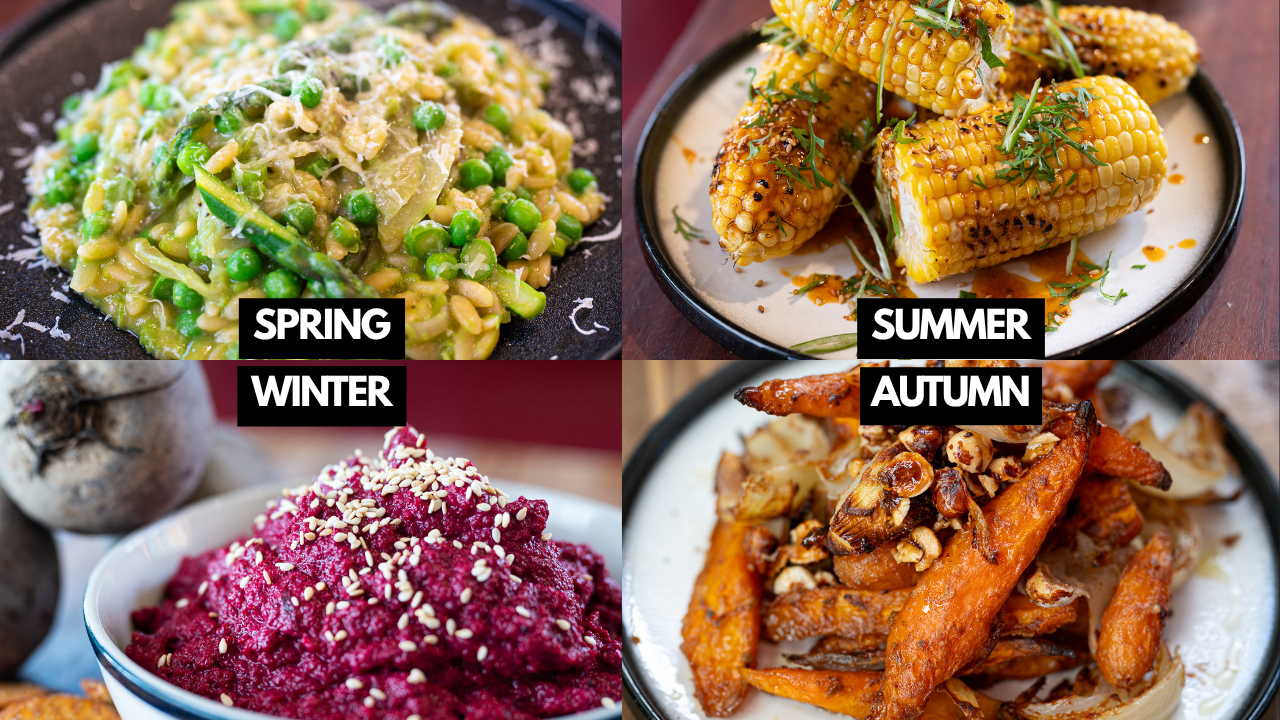
Cooking with the seasons is the single easiest way to eat better food for less money, because the thing that is in season is almost always the thing that is cheap, and it is always the thing that tastes like something. This is every seasonal vegetable recipe on the site, split into the four New Zealand seasons, so you can find what is good right now rather than what a Northern Hemisphere recipe thinks is good right now.
What's Included
The four New Zealand seasons with their months set out plainly, recipes for every season so you have somewhere to start. This will always be added on to as I make more delicious seasonal veggie recipes!
The New Zealand Seasons
- Spring: September, October, November
- Summer: December, January, February
- Autumn: March, April, May
- Winter: June, July, August
So when an American food blog tells you in July that it is peak courgette season and you should be making salads. In July here it is the middle of winter and you want beetroot, kale, citrus!
Spring, September to November
The green one. Asparagus, peas, broad beans, new potatoes and the first salad leaves, all arriving cheap and all at once. Asparagus season is short and intense, while the others are the end of winter.
Grilled asparagus salad with green goddess hummus - Charred spears, jammy eggs and a crunchy lemon crumb. A spring side for 4 in 35 minutes.
Springtime Risoni with Peas and Asparagus - Because spring can still chilly, but this warm cozy dinner shouts spring. But still warms you up.
Charred Leeks with Harissa Oil and Toasted Nuts - Charred hard then steamed soft in the same pan, with harissa oil over the top.
Spanakopita, Greek Spinach Pie - What to make when the spinach all arrive at once. And before it bolts if it get to warm!
Peas with Caramelised Onions and Lemon Garlic Breadcrumbs - While fresh peas might still be a while off. A bag of frozen peas, that vibrate green makes it feel like spring on a plate!
Summer, December to February
Corn, courgettes, tomatoes, cucumbers, aubergines and stone fruit. The season where the food barely needs cooking and the barbecue does most of the work.
Grilled Corn with Miso Chilli Butter - Sweet Corn charred on the barbecue with a butter that does all the heavy lifting.
Courgette, Feta and Chilli Salad - For the point in January when the courgettes will not stop coming.
Smashed Sesame Cucumber Salad - Smashing them rather than slicing them is the whole trick, and it takes five minutes.
Whipped Feta and Confit Tomato Crostini - Summer tomatoes, whipped feta and a use for bread that has gone stale.
Autumn, March to May
The best season, everything in abundance and all great! Pumpkin, squash, mushrooms, broccoli, apples, quince and feijoas, and if you don't know what a feijoa is. It is a quintessential New Zealand fruit. The season is short, and you either love them or hate them!
Roasted Pumpkin with Honey Soy Glaze and Mint Yoghurt - Sticky, sweet and salty, with spiced nuts over the top for crunch.
2 Easy Savoury Feijoa Recipes - Feijoas do not have to go into a cake. A salsa and a salad instead.
The Most Incredible Mushroom Soup - Deep, dark and about as far from a tin as soup gets.
Broccoli Burgers - Broccoli turned into something the whole table will actually eat.
Winter, June to August
Root vegetables, brassicas and citrus. Beetroot, carrots, parsnips, kale, cabbage and every lemon and orange in the country, all at once.
Roasted Carrots with Spiced Yoghurt and Honey Hazelnuts - Roasted hard so they sweeten, on spiced yoghurt with honeyed hazelnuts.
Simple Beetroot Hummus - A tin of chickpeas and a beetroot, and it comes out an absurd colour.
Crispy Kale - The thing that converts people who are certain they do not like kale.
Classic Minestrone Soup with Winter Vegetables - The best possible use for the odds and ends at the bottom of the vegetable drawer.
Why Cooking Seasonally Works
Three reasons seasonal produce is the best!
It is cheaper, and not by a little. Produce is at its lowest price when there is a glut of it, which is exactly when it is in season. Asparagus in October and asparagus in March are not the same product at the same price, and building a week around whatever is cheap is the single biggest way to lower your food budget, but get maximum variety.
It tastes better. Anything picked in season and sold locally has travelled less and sat around less. A tomato in February and a tomato in July are barely the same vegetable.
It wastes less. Seasonal produce is fresher when you buy it, so it lasts longer in the fridge before it turns. Most household food waste is fresh produce that went off before anyone got to it, and buying in season quietly fixes a good part of that.
After twenty years of cooking professionally, the habit that carried over most usefully into home cooking is buying what looks good and deciding afterwards. Restaurants do it because it controls food cost. It works exactly the same way in a home kitchen, and it takes the pressure off having to plan every meal in advance.
Related Pages
Zero Waste Recipes for Every Kitchen Scrap - What to do with the peelings, stalks and ends once you have cooked the good bits.
Air Fryer Recipes, Everything I Have Tested - Most seasonal vegetables are better in an air fryer, and here is what actually works.
Savvy Suppers Club - Five dinners for under $85, every week.
Start with whatever season you are actually in, have a look at what is cheap this week, and cook that. It really is most of it. Each season gets its own page with a month by month breakdown of what is available, and they are going up one at a time. Everything here is built around New Zealand seasons and New Zealand growing, so you are not trying to make a Northern Hemisphere calendar work in a Southern Hemisphere kitchen. But if you are in the Northern Hemisphere and reading this, just remember. It's all opposites!
Enjoy!
Del x
Every seasonal vegetable recipe on the site, split into the four New Zealand seasons.
Join the Dishes with Del community.
Stay in the loop with new recipes, exciting announcements, anything to keep you away from the washing up!
No spam here. Just tasty recipes!