
Satsuma and Almond Cake with Dark Chocolate Oranges
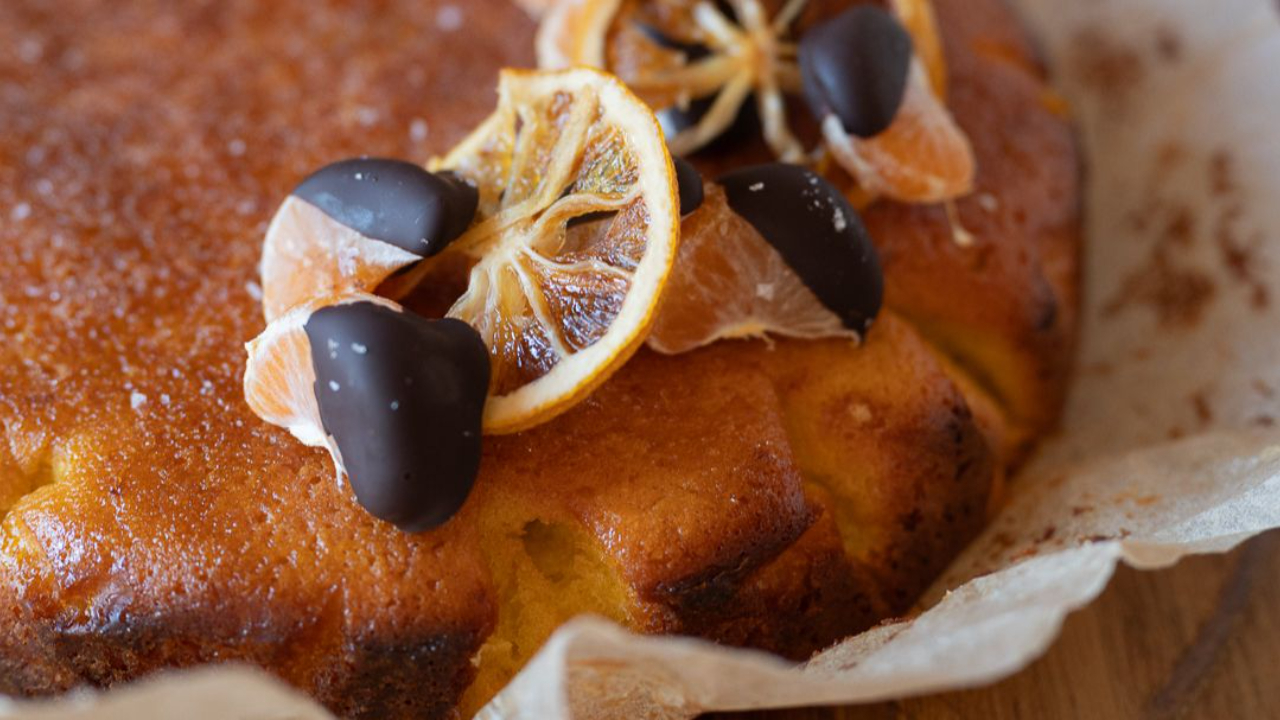
This satsuma and almond cake is made from whole boiled fruit, skin and all, so there is absolutely NO WASTE and the flavour is incredible. It stays beautifully moist for days thanks to the olive oil, and it works just as well with clementines, tangerines or mandarins. Topped with dark chocolate-dipped segments and a little flaky salt, it looks like something out of a patisserie window. Let's bake!
Why This Satsuma and Almond Cake Works
About 20 minutes of active prep plus boiling, baking and cooling, using satsumas boiled whole and blended straight into the batter. The technique is what makes it special: boiling the fruit whole mellows the bitterness in the pith and turns it into an intensely orange paste, so there is no peeling, no zesting the whole fruit, and zero waste. Olive oil instead of butter keeps it moist for days. It came about because I was gifted a whole box of satsumas during citrus season here and got tired of eating them fresh, so I went looking for ideas and found Rick Stein's clementine cake. I used to watch him on television constantly when I was younger and he is genuinely one of the chefs who made me want to become one, so adapting his recipe to what I had in the house felt like a good way to spend an afternoon.
Recipe Details
- Prep Time: 20 minutes
- Cook Time: 1 hour 25 minutes (35 minutes boiling the fruit, 45 to 50 minutes baking)
- Total Time: About 2.5 hours, mostly hands-off, including cooling
- Serves: 8
- Difficulty: Easy
- Special Equipment: 20cm springform tin, food processor or blender
The technique that makes this cake so special is boiling the whole satsumas, skin, pith and all. It sounds unusual but it completely transforms the fruit. The bitterness mellows, the pith softens, and once blended you get an incredible, intensely orange paste that goes straight into the batter. Medium satsumas take around 35 minutes and larger fruit a little longer, and you can do this stage the day before, which breaks the recipe into two very manageable halves. Combined with olive oil instead of butter, the result is a cake that stays moist for days and has the most beautiful deep golden colour you will ever pull out of an oven.
This recipe is adapted from Rick Stein's clementine and almond cake.
Ingredients
For the Cake:
- 200g satsumas (about 3), boiled whole
- Zest of 1 satsuma
- 4 large eggs
- 160g caster sugar
- 100ml olive oil
- 100g ground almonds
- 75g plain flour
- 1 tsp baking powder
For the Syrup:
- Juice of 1 satsuma
- 15g caster sugar
To Serve:
- 1 satsuma, peeled and segmented
- 100g dark chocolate, melted
- Flaky sea salt, to finish
How to Make Satsuma and Almond Cake
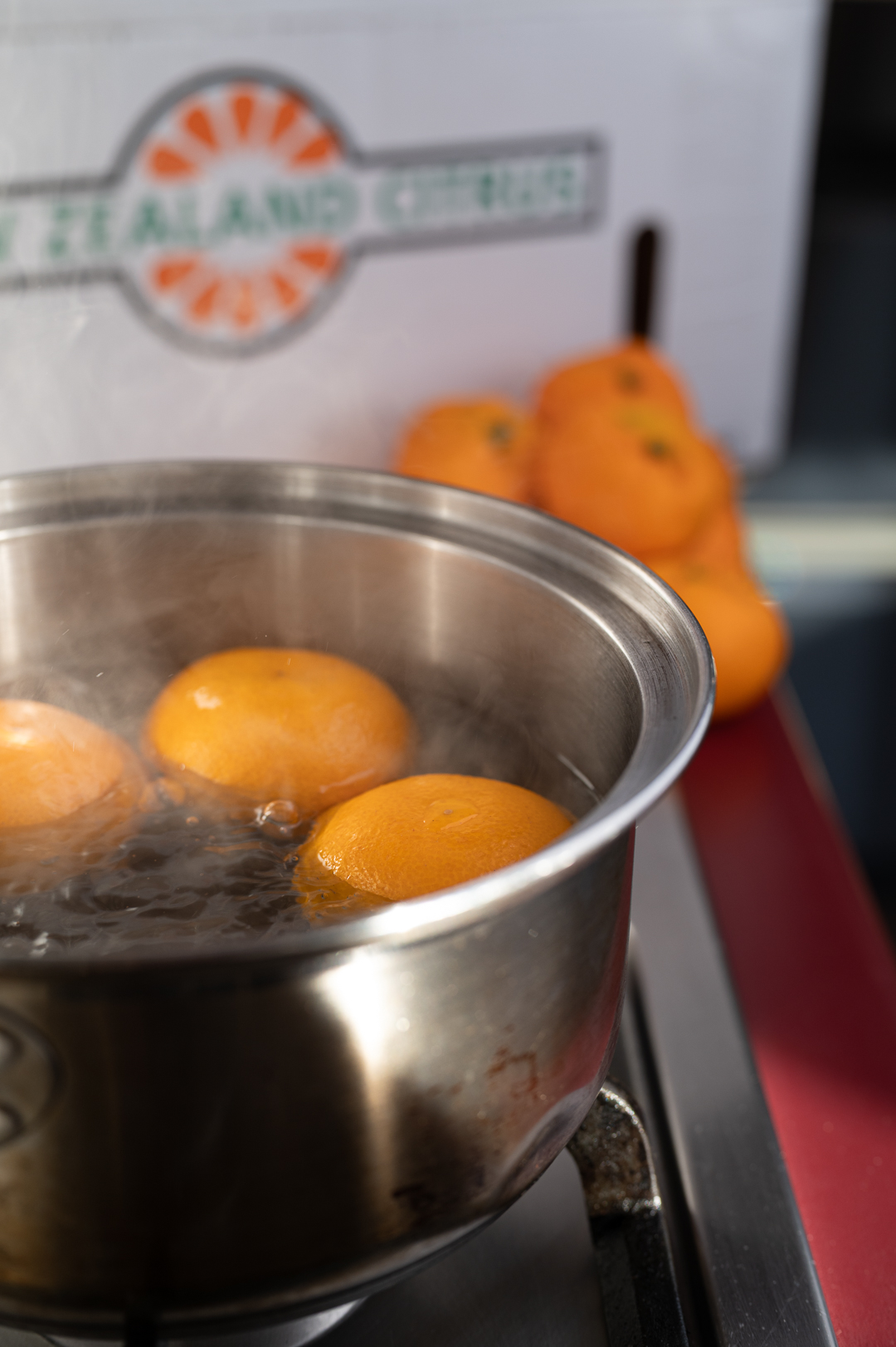
- Boil the satsumas: Put the whole, unpeeled satsumas into a small saucepan and cover with cold water. Bring to the boil, then reduce the heat and simmer gently for around 35 minutes if using medium-sized satsumas (larger fruit may need a little longer) or until completely soft all the way through. Top up the water if needed to keep them submerged. Drain and leave to cool. You can do this the day before and leave them in the fridge overnight.
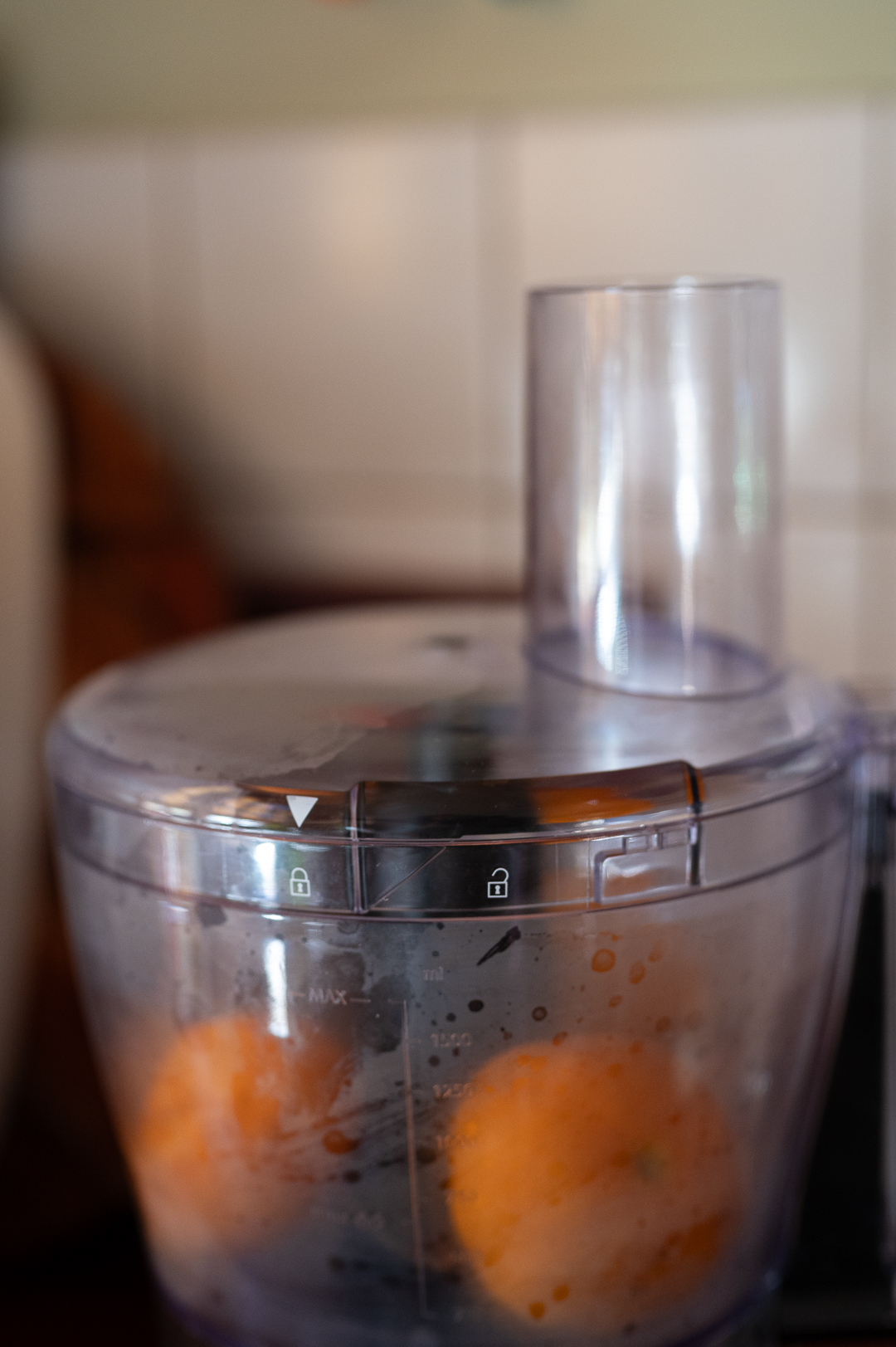
- Blend the satsumas: Once completely cool, halve the fruit and check for any pips, then put the whole fruit (skin, pith, and all) into a food processor.
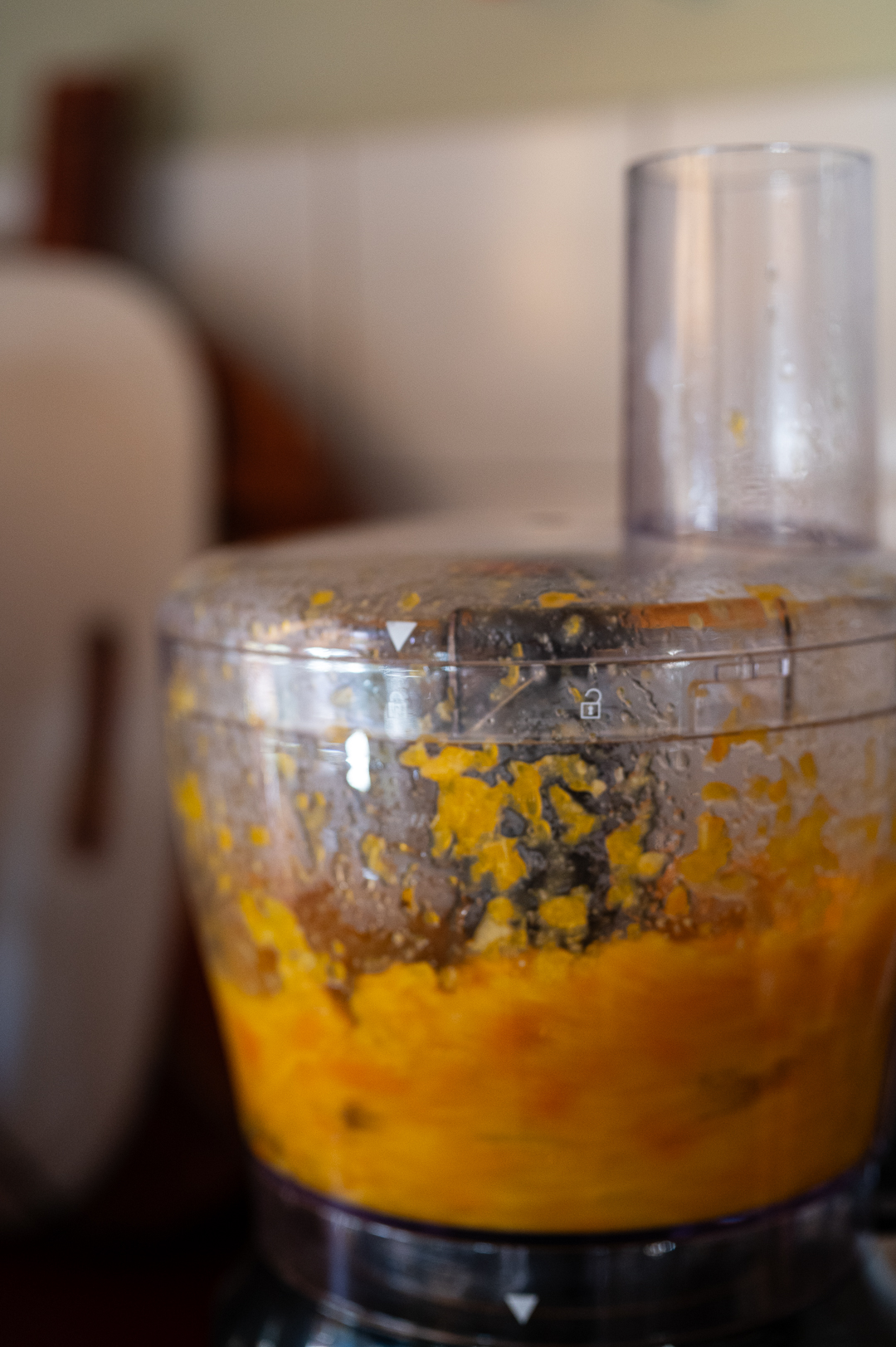
- Blend to a paste: Blitz until you have a smooth, thick, intensely orange paste. Set aside.
- Preheat the oven: Heat your oven to 180°C (160°C fan / 350°F / Gas Mark 4). Grease and line a 20cm springform tin with baking paper.
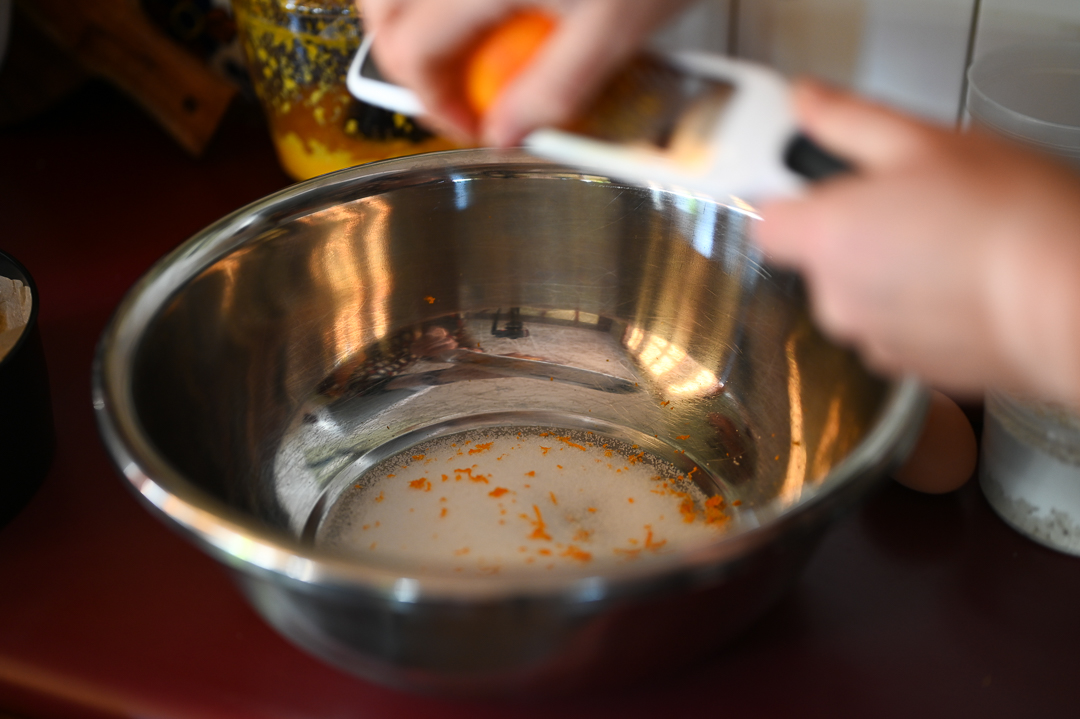
- Zest and whisk: Zest one satsuma into a large mixing bowl. Add the eggs and caster sugar and whisk together until pale and well combined.
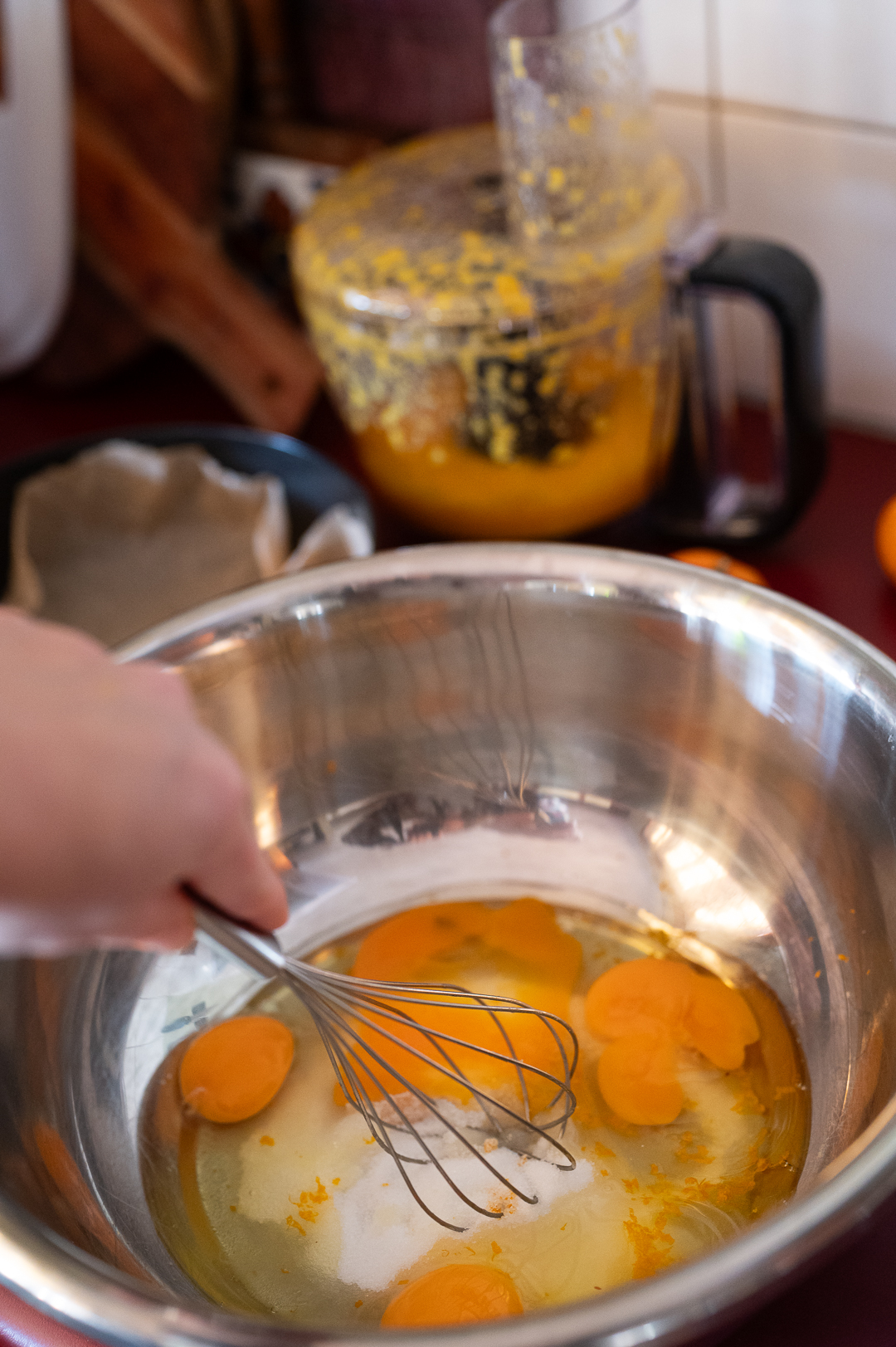
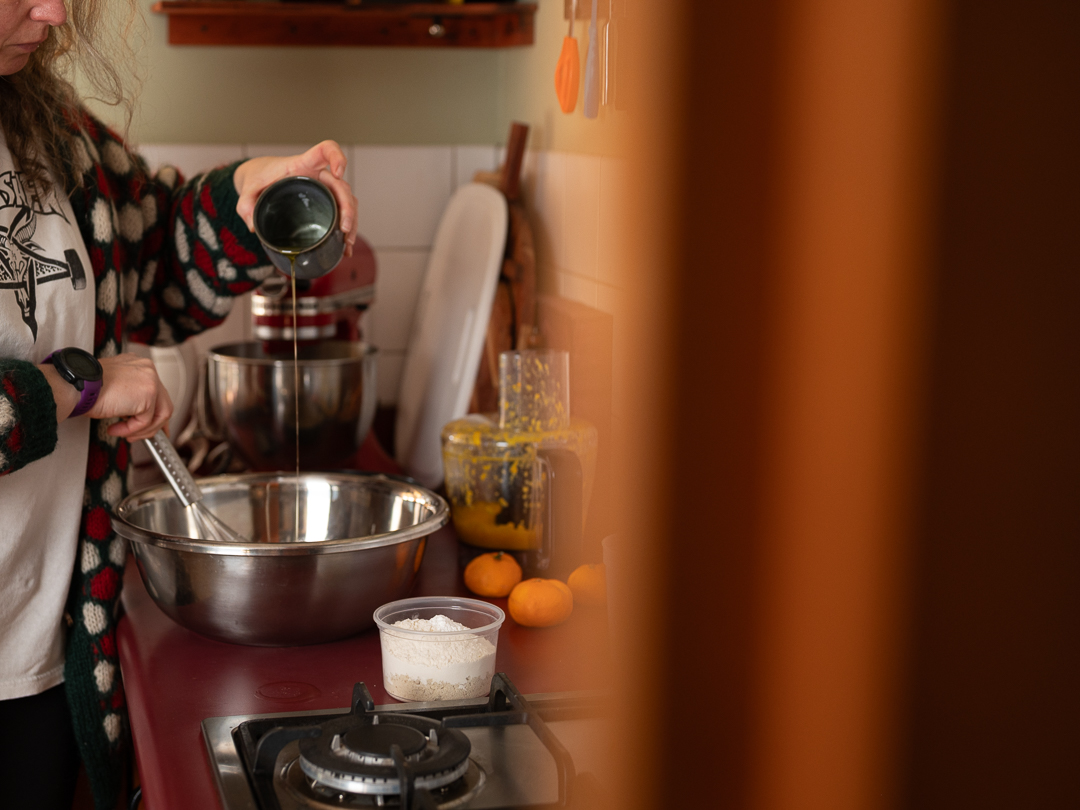
- Add the olive oil: Pour in the olive oil and whisk again to incorporate fully.
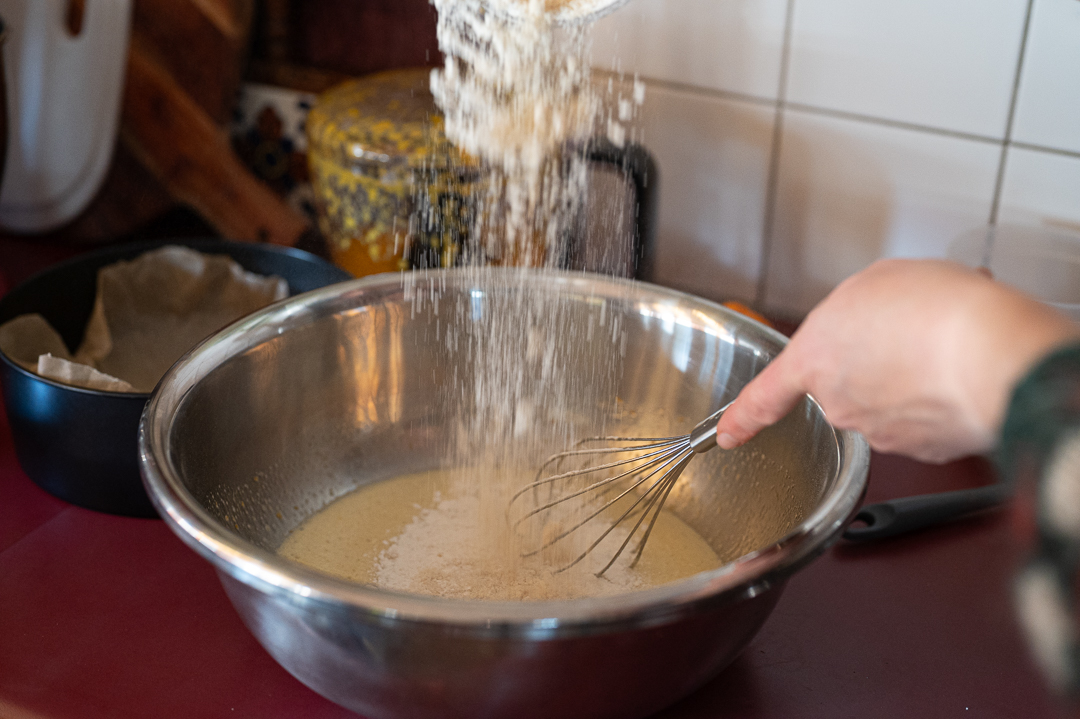
- Sift in the dry ingredients: Sift the ground almonds, flour, and baking powder into the wet ingredients. Fold gently with a spatula until just combined.
- Fold in the satsuma paste: Add the blended satsuma paste and fold through until you have a smooth, golden batter.
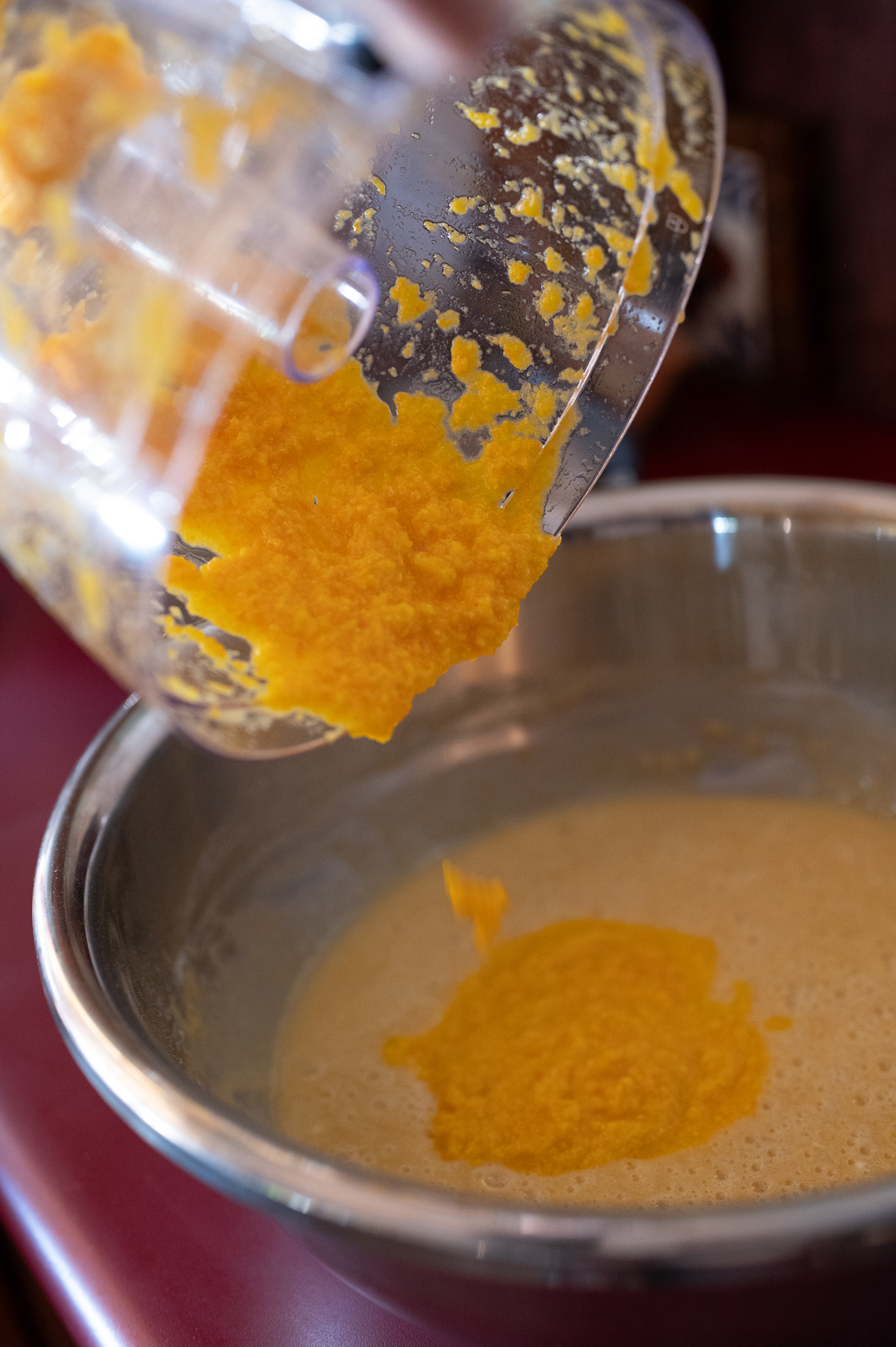
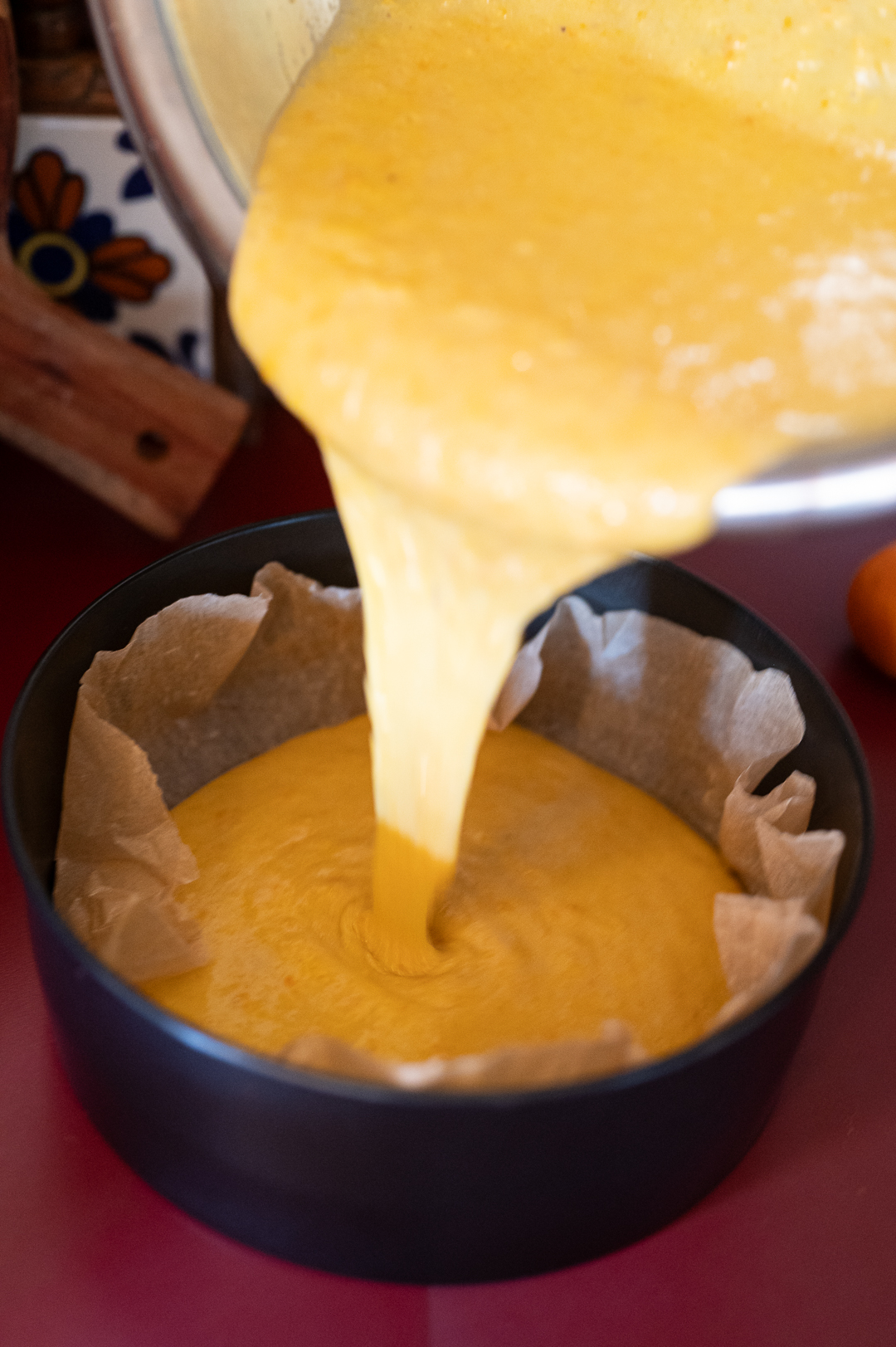
- Bake: Pour the batter into the prepared tin and bake for 45 to 50 minutes. The top should be deep golden and a skewer inserted into the centre should come out clean. If the top browns too quickly, cover loosely with foil from around the 30-minute mark.
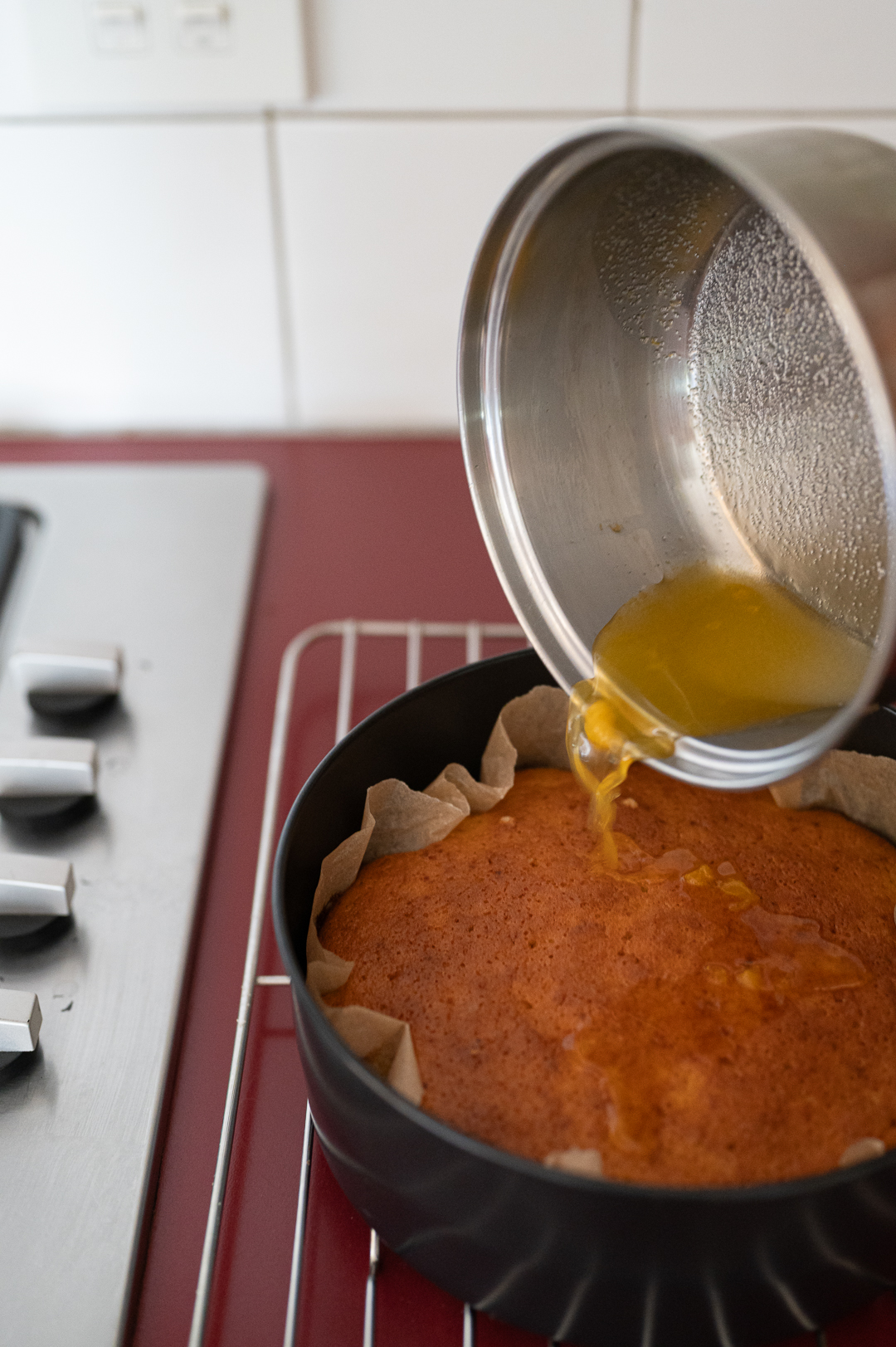
- Make the syrup: While the cake is still warm in the tin, put the satsuma juice and sugar in a small saucepan over a low heat. Stir until the sugar dissolves, then simmer for 1 to 2 minutes.

- Soak the cake: Poke a few holes across the top of the warm cake with a skewer. Slowly pour the syrup over and leave it to soak in. Leave to cool completely in the tin.
- Make the chocolate-dipped segments: While the cake cools, melt the dark chocolate in a heatproof bowl over a pan of simmering water, or in the microwave in 30-second bursts, stirring between each. Dip each satsuma segment halfway into the chocolate.
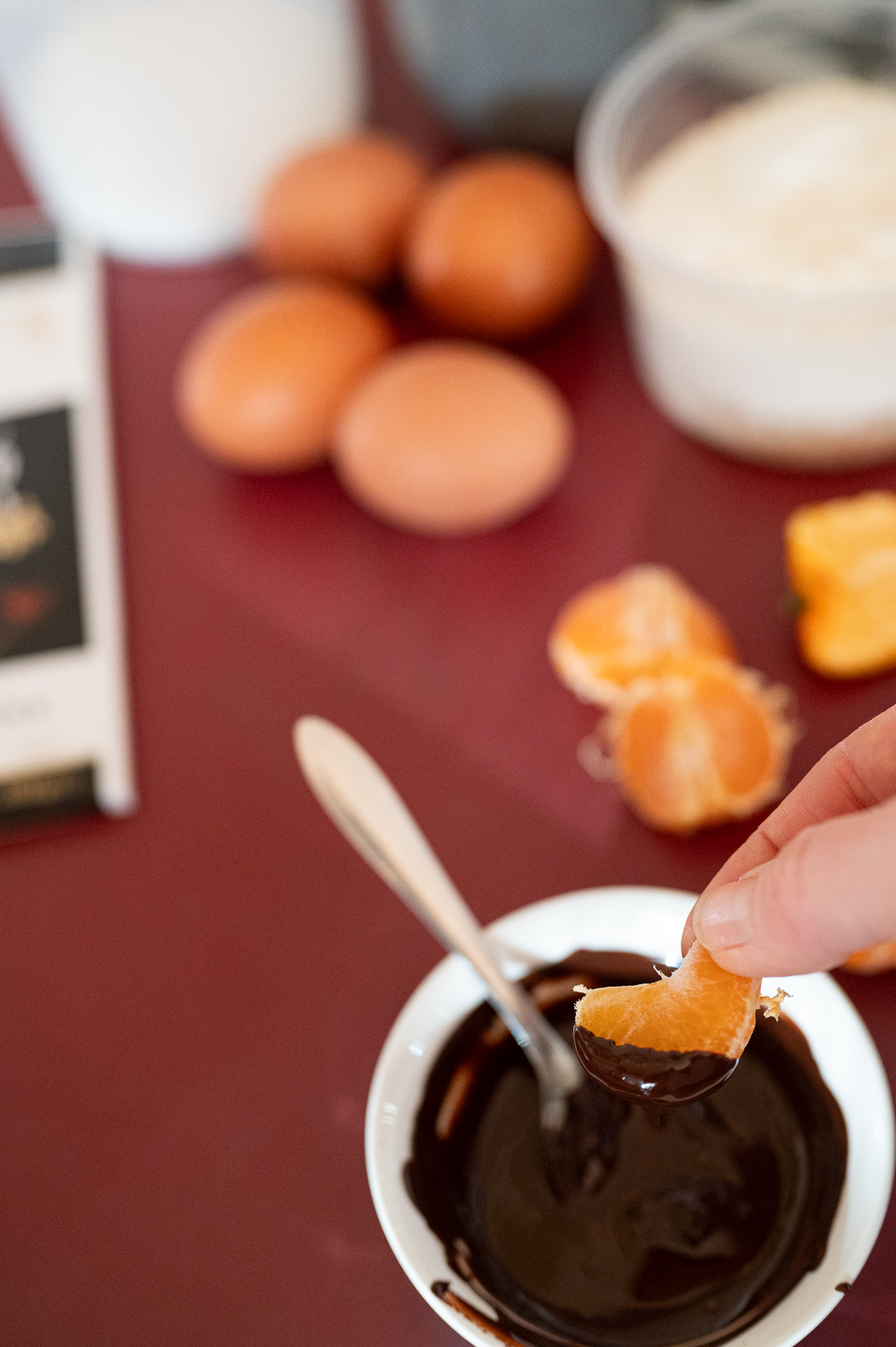
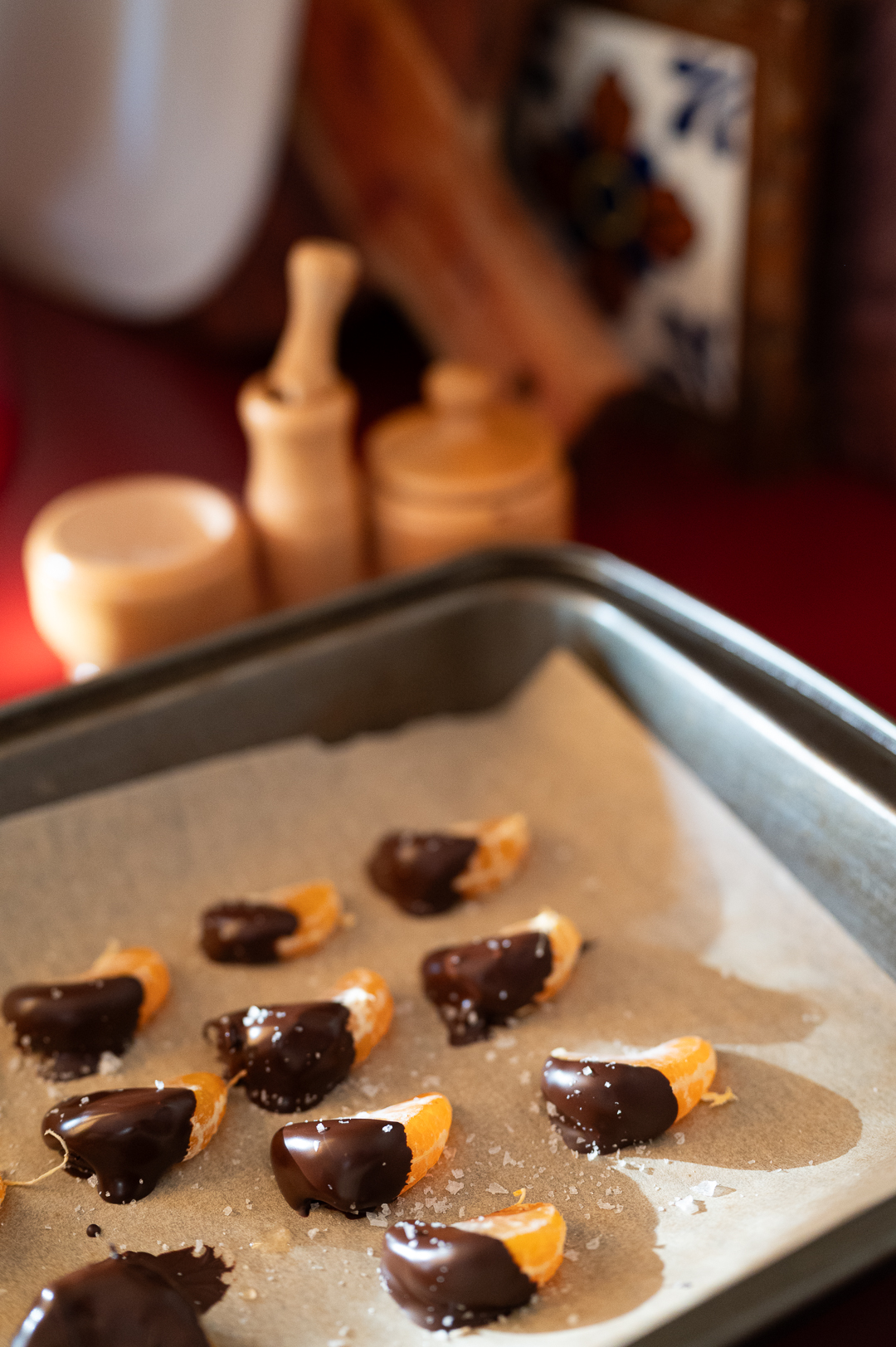
- Set the chocolate: Place the dipped segments on a sheet of baking paper, sprinkle with a little flaky sea salt, and leave to set completely.
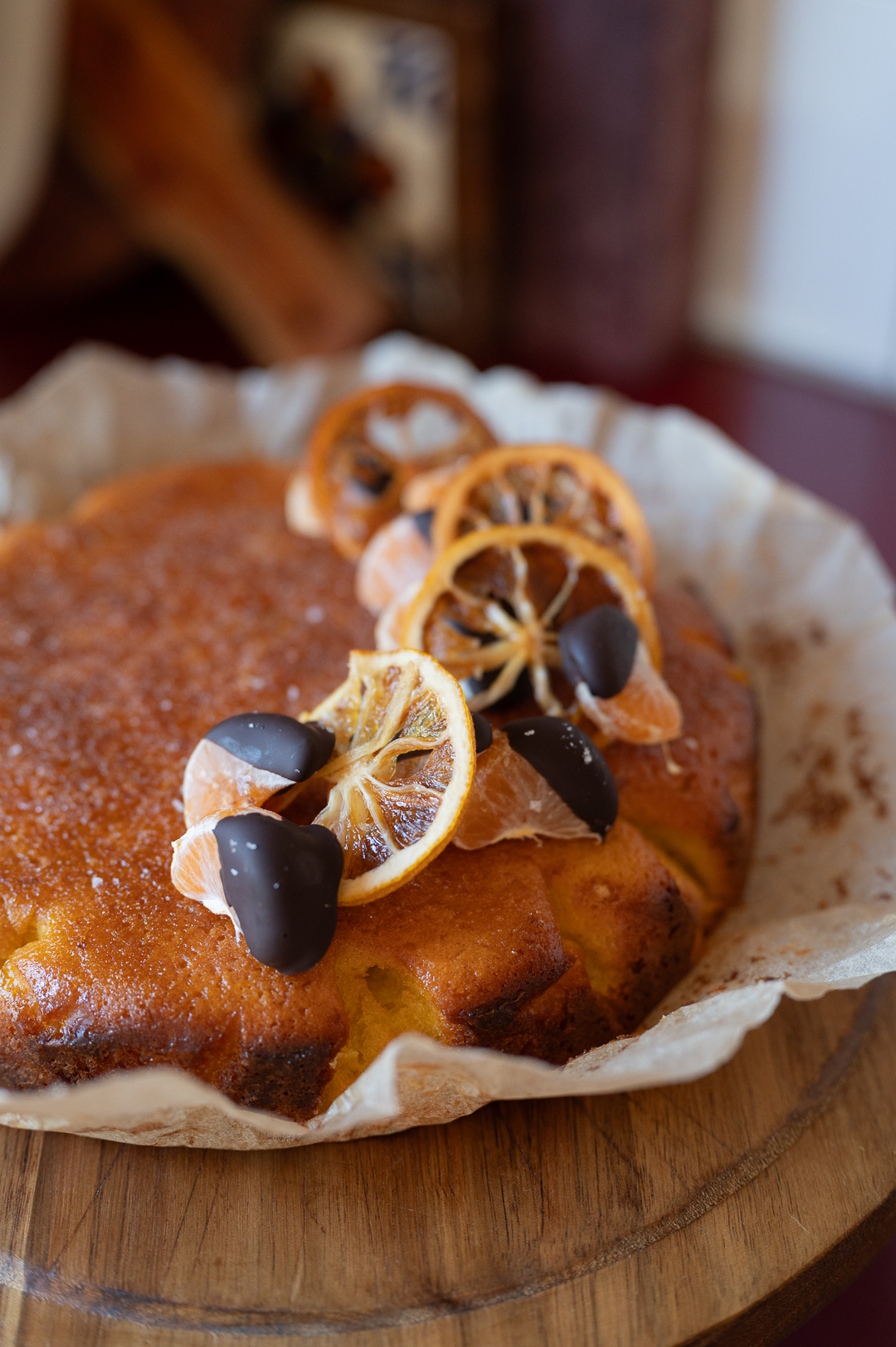
- Assemble and serve: Once the cake is completely cool, remove from the tin. Top with the chocolate-dipped satsuma segments and any dried citrus slices if using.
Why You'll Love This Recipe
- Zero waste from start to finish: You boil and blend the whole satsuma, skin, pith, and all. Nothing goes in the bin and the flavour is INCREDIBLE because of it.
- Stays moist for days: Olive oil in the batter keeps this cake tender and luscious long after it comes out of the oven. No dry crumbles here.
- A proper chef inspiration story: This is adapted from Rick Stein's clementine cake, one of the chefs who shaped how I cook. It is a classic for a reason and this version makes it even more accessible.
- Works with any small citrus: Satsumas, clementines, tangerines, mandarins. Whatever you have or whatever is in season, this cake works with all of them.
- The chocolate-dipped segments on top: A simple, beautiful finish that takes five minutes and makes this look like it came from a patisserie. Salty dark chocolate against sweet citrus is a combination that never fails.
Chef's Tips for Satsuma and Almond Cake
Do the boiling the day before: The satsumas need to be completely cool before you blend them. If they are even slightly warm the paste will be too loose. Boiling them the night before and leaving them in the fridge is the easiest way to manage this. It also breaks the recipe into two very manageable stages.
Check for pips before you blend: Satsumas are usually seedless but check anyway. Any pips left in will make the paste bitter, so take a moment to remove them when you halve the fruit.
Do not skip the syrup soak: It sounds like a small step but it makes a huge difference to the finished cake. Pour it over while the cake is still warm so it absorbs properly, and be patient. Let it soak in fully before you move the cake.
Use a good olive oil: You can taste the olive oil in this cake, which is part of what makes it special. It does not need to be expensive, but use one with some flavour rather than a very light or neutral oil.
Let the chocolate set fully before topping the cake: If you try to place the segments while the chocolate is still soft, they will smear. Give them at least 20 to 30 minutes on the paper before handling.
Substitutions & Variations
- No satsumas? Clementines, tangerines, or mandarins all work in exactly the same way. The original recipe uses clementines. You want small, sweet citrus fruit around 200g total weight.
- No ground almonds? You can use 175g of plain flour total instead, though you will lose some of the moistness and the slightly fudgy texture that the almonds give. A mix of 100g plain flour and 75g desiccated coconut also works well.
- Want it gluten free? Replace the 75g plain flour with an extra 75g of ground almonds or a 1:1 gluten-free flour blend. The texture will be slightly denser but still delicious.
- No olive oil? A neutral oil like sunflower or vegetable oil works fine. Melted coconut oil also works and adds a subtle sweetness.
- Want to change the chocolate? Milk chocolate works for a sweeter, less intense finish. White chocolate dipped segments look stunning if you want something a little more decorative.
Storage
Best eaten fresh: This cake is wonderful on the day it is made once the syrup has soaked in and everything has had time to settle. The flavour is at its most vibrant in the first 24 hours.
Fridge: Store in an airtight container in the fridge for up to 4 days. The olive oil keeps it beautifully moist so it will not dry out. Bring slices to room temperature for 15 to 20 minutes before eating for the best texture and flavour.
Freezer: This cake freezes well without the chocolate-dipped segments on top. Wrap individual slices tightly in cling film and freeze for up to 2 months. Defrost overnight in the fridge and bring to room temperature before serving. Make the chocolate segments fresh when you are ready to serve.
Avoid: Do not top the cake with the chocolate segments before it is completely cool. The residual warmth will soften the chocolate and they will slide straight off. Make sure the cake is fully cool and the segments are fully set before assembling.
Frequently Asked Questions
Can I use regular oranges instead of satsumas? You can, though the result will be slightly more bitter because of the thicker pith in larger oranges. If you want to use regular oranges, stick to one medium orange (around 200g) and taste the paste before adding it. If it tastes very bitter, it may have needed a little longer boiling. Small citrus like satsumas, clementines, and tangerines are the best choice for this recipe.
My cake is browning on top but still wet in the middle, what do I do? Cover the top loosely with a piece of foil and keep baking. This is very common with almond-based cakes as the top sets and colours before the dense interior is fully cooked through. A skewer inserted into the very centre should come out clean when it is done.
Can I halve this recipe? Yes. Halve all the cake ingredients and bake in a smaller tin, around 15cm. You will still need to boil approximately 100g of satsumas, and the bake time will be shorter, around 30 to 35 minutes. Check it from 25 minutes.
What if I don't have a food processor? A stick blender works well for blending the satsumas. Alternatively, chop the boiled fruit very finely by hand and mash with a fork until as smooth as you can get it. The texture of the cake will be slightly more rustic but it will still taste wonderful.
Can I make the cake without the syrup? You can, but I would not recommend it. The syrup is what gives the top that beautiful sticky, glazed finish and adds an extra hit of citrus flavour. It takes less than five minutes and makes a real difference to the finished cake.
What do you serve with satsuma and almond cake? It is lovely on its own with a cup of tea, but a spoonful of crème fraîche, thick Greek yoghurt or lightly whipped cream cuts through the sweetness beautifully. A little extra syrup spooned over the plate does not hurt either.
How do you know when the satsumas are boiled enough? A knife or skewer should slide into the whole fruit with no resistance at all, skin included. If there is any firmness left the pith will still be bitter and the paste will not blend smooth. Give them longer rather than less.
Can I make this ahead for a dinner party? Yes, this is a great make-ahead cake. Bake it the day before, do the syrup soak, and store it in the fridge. Make the chocolate-dipped segments on the day and add them just before serving. The cake actually improves overnight as the flavours deepen.
You Might Also Like
Spiced Carrot and Courgette Cake with Sour Cream Frosting - Another brilliant bake that hides a vegetable in the most delicious way.
Three-Layer Lemon Cake - If you love a citrus bake, this stunning three-layer lemon cake with lemon curd and cream cheese frosting is your next project.
Chocolate-Dipped Orange Segments - The garnish on this cake is so good it deserves its own recipe. Five minutes, three ingredients, and completely addictive.
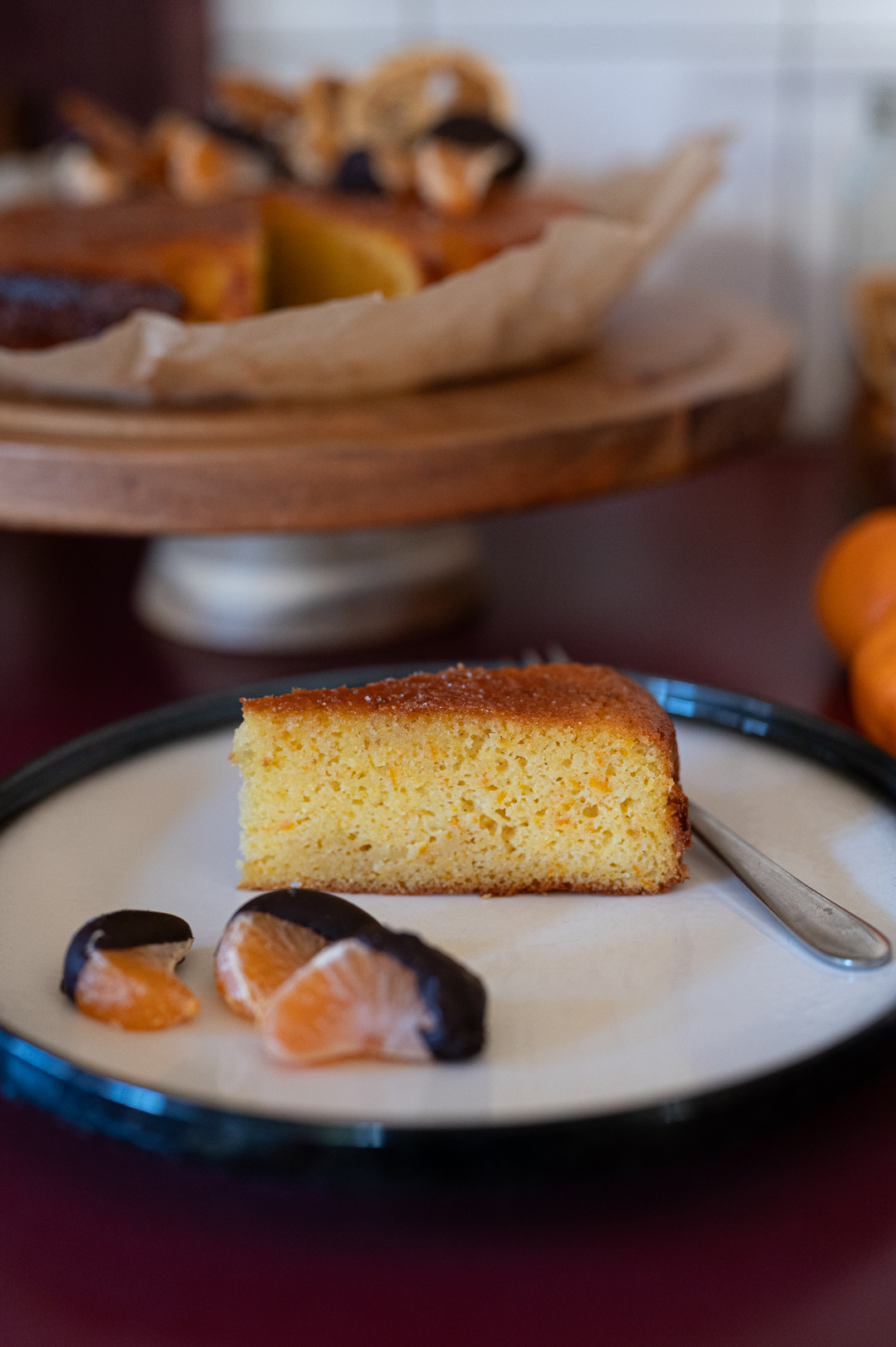
This cake is one of those recipes that genuinely surprises people. A whole boiled fruit, skin and all, blended into a golden batter that bakes up into something fudgy, moist, and deeply fragrant. The olive oil keeps it tender for days, the syrup soak makes the top impossibly good, and those dark chocolate-dipped satsuma segments on top make it look like something from a proper patisserie window. It is a beautiful thing to make with seasonal citrus, and every last scrap of fruit goes into the cake.
Enjoy!
Del x
A whole boiled satsuma blended into a moist olive oil cake, topped with dark chocolate-dipped segments.
Join the Dishes with Del community.
Stay in the loop with new recipes, exciting announcements, anything to keep you away from the washing up!
No spam here. Just tasty recipes!