
Beetroot Cured Salmon - Easy Homemade Gravadlax Recipe
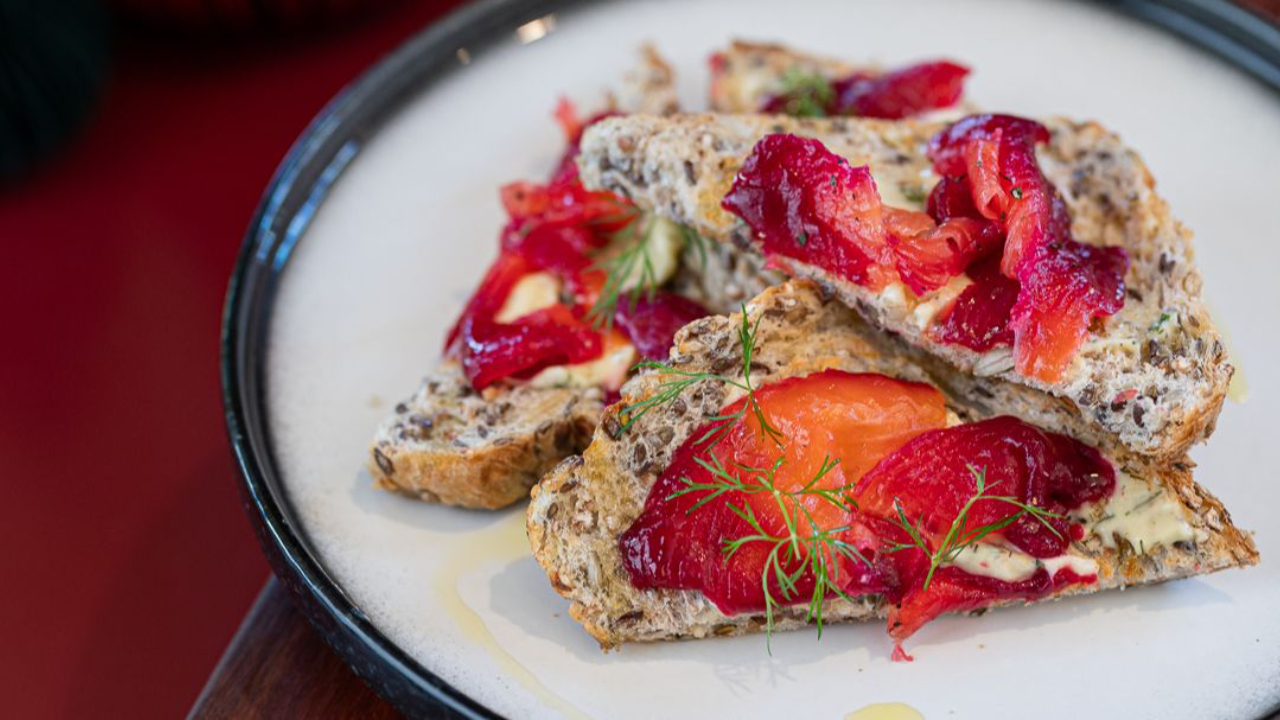
Beetroot Cured Salmon - Easy Homemade Gravadlax Recipe
Making cured salmon at home might sound difficult, but you only need 4 simple ingredients! This stunning beetroot-cured salmon makes a beautiful change from shop-bought smoked salmon and tastes incredible. Perfect for Christmas breakfast or any special occasion.
Recipe Details:
- Prep Time: 15 minutes
- Curing Time: 2 days
- Total Time: 2 days 15 minutes
- Serves: 6-8 as a starter or breakfast
- Difficulty: Easy
- Special Equipment: Shallow dish, cling film, second dish for weight
Homemade cured salmon, also known as gravadlax, is one of those recipes that looks and tastes incredibly impressive but is surprisingly simple to make. Using just four ingredients - fresh salmon, beetroot, salt, and sugar - you can create a stunning, restaurant-quality dish at home. The beetroot not only cures the salmon beautifully but also turns it the most gorgeous deep pink colour, making it a real showstopper on any breakfast table or brunch spread. Unlike smoked salmon, cured salmon has a silky, delicate texture and a fresh, clean flavour that's enhanced by the earthy sweetness of beetroot. The curing process is completely hands-off - you simply layer everything together, weight it down, and let time and the salt-sugar mixture work their magic in the fridge. After two days, you're rewarded with beautifully cured salmon that slices like butter and tastes absolutely divine. Serve it on bagels with cream cheese, on toast with scrambled eggs, or as part of an elegant brunch platter. It's perfect for Christmas morning, special celebrations, or whenever you want to treat yourself to something truly special.
Why You'll Love This Recipe
- Only 4 ingredients: Fresh salmon, beetroot, salt, and sugar - that's genuinely all you need
- Stunning presentation: The beetroot creates a vibrant pink colour that looks absolutely spectacular
- Easier than you think: No special equipment or complicated techniques required
- Make-ahead perfect: Prepare 2 days before your event and it's ready when you need it
- Better than shop-bought: Fresher flavour and you know exactly what's in it
Ingredients
For the Cured Salmon:
- 1 piece of salmon fillet (approximately 500-600g), skin-on, pin bones removed
- 1 medium beetroot (about 150-200g), raw
- 25g fine sea salt
- 25g caster sugar
Optional Additions for Extra Flavour:
- 1 tablespoon vodka or gin
- 1 teaspoon black peppercorns, crushed
- Zest of 1 lemon
- Small bunch of fresh dill, chopped
For Serving:
- Bagels, toast, or crackers
- Cream cheese or homemade boursin cheese
- Capers
- Red onion, thinly sliced
- Fresh dill
- Lemon wedges
Instructions
1. Prepare the salmon: Check your salmon fillet for any remaining pin bones by running your fingers along the flesh. Remove any you find with tweezers or clean pliers. Pat the salmon completely dry with kitchen paper. Place it skin-side down on your work surface.
2. Prepare the beetroot: Peel the beetroot and grate it using the coarse side of a box grater. You can wear gloves for this to avoid staining your hands. Set the grated beetroot aside.
3. Mix the cure: In a small bowl, mix together the salt and sugar until thoroughly combined. This mixture is what will cure the salmon and draw out moisture.
4. Prepare your curing dish: Choose a shallow dish that's large enough to hold your salmon fillet comfortably. Sprinkle about one-third of the salt-sugar mixture evenly across the bottom of the dish.
5. Add the salmon: Place the salmon fillet skin-side down on top of the salt-sugar base in the dish.
6. Apply the remaining cure: Sprinkle the remaining salt-sugar mixture evenly over the entire surface of the salmon flesh, making sure it's well covered. Use your hands to pat it down gently so it adheres to the fish.
7. Add the beetroot: Spread the grated beetroot evenly over the top of the salmon, covering it completely. The beetroot should form a nice thick layer over the entire fillet.
8. Wrap tightly: Place a layer of cling film directly onto the surface of the beetroot and salmon, pressing it down gently to create good contact. This prevents air pockets.
9. Weight it down: Place a second shallow dish directly on top of the cling film-covered salmon. The weight helps press the cure into the fish and draws out moisture. You can add a tin or two from your cupboard into the top dish for extra weight if needed.
10. Seal completely: Wrap cling film tightly around both dishes together, sealing everything securely. This prevents any leakage and keeps everything fresh.
11. Refrigerate: Place the whole setup in the refrigerator and leave it undisturbed for 2 full days (48 hours). The salmon will release liquid during this time, which is completely normal - this is part of the curing process.
12. Unwrap and rinse: After 2 days, remove the dishes from the fridge and unwrap everything. The salmon will look quite different - firmer and darker. Remove the salmon from the dish and rinse it thoroughly under cold running water to remove all the salt, sugar, and beetroot. Pat it completely dry with kitchen paper.
13. Slice: Place the salmon skin-side down on a clean cutting board. Using a very sharp knife, slice the salmon as thinly as possible at a slight angle, keeping the knife almost parallel to the board. Leave the skin behind as you slice. The thinner you can slice it, the more elegant it will look and the better the texture will be.
14. Serve: Arrange the beautiful pink slices on a platter and serve immediately, or cover and refrigerate until needed. Serve with your favourite accompaniments like bagels, cream cheese, capers, red onion, and fresh dill.
Chef's Tips
For the best results: Use the freshest salmon you can find. Ask your fishmonger for sushi-grade or sashimi-grade salmon if possible, as you'll be eating it raw (though cured).
Skin-on is essential: The skin helps hold the salmon together during curing and makes it much easier to slice thinly at the end.
Even coverage: Make sure the salt-sugar mixture and beetroot cover the salmon completely and evenly. Any exposed areas won't cure properly.
Weighting matters: The weight on top is important - it helps the cure penetrate the fish and creates that lovely firm texture. Don't skip this step.
Slicing technique: A long, sharp knife is key for thin, elegant slices. Sharpen your knife before slicing.
Check after 2 days: The salmon should feel firm to the touch and have a slightly translucent appearance. If it feels soft, give it another 12 hours.
Substitutions & Variations
Classic gravadlax: Omit the beetroot and add lots of fresh dill and the zest of 1 lemon to the cure for traditional Scandinavian gravadlax.
Gin or vodka cure: Add 1-2 tablespoons of gin or vodka to the cure mixture for extra flavour and slightly faster curing.
Citrus cure: Add the zest of lemon, orange, or both to the beetroot mixture for bright, citrus notes.
Spiced version: Add crushed black peppercorns, coriander seeds, or juniper berries to the cure for a more complex, spiced flavour.
Dill and beetroot: Combine grated beetroot with lots of chopped fresh dill for the best of both worlds.
Different fish: This curing method also works beautifully with trout, mackerel, or other oily fish.
Shorter cure: For a lighter cure, you can remove it after 24 hours, though 48 hours gives the best texture and flavour.
Storage & Reheating
Storage: Once cured and sliced, store the salmon tightly wrapped in cling film or in an airtight container in the refrigerator for up to 5 days. The unsliced cured fillet will keep for up to 1 week.
Make-ahead timeline: This is perfect for entertaining as you must make it at least 2 days in advance. Start on a Monday for a Wednesday event, or start on a Thursday for a Saturday brunch.
Serving temperature: Cured salmon is best served cold or at cool room temperature. Remove from the fridge 15-20 minutes before serving for the best flavour.
Frequently Asked Questions
Q: Is cured salmon safe to eat without cooking? A: Yes! The salt and sugar cure the fish, making it safe to eat. The curing process changes the protein structure similar to cooking. Always use very fresh, high-quality fish from a reputable source.
Q: Why does my salmon need to be weighted down? A: The weight helps press the cure into the fish, extracts moisture, and creates that lovely firm, silky texture. Without the weight, the cure won't penetrate as evenly.
Q: Can I cure salmon without beetroot? A: Absolutely! Traditional gravadlax doesn't use beetroot at all. The beetroot adds beautiful colour and subtle earthiness, but you can make classic gravadlax with just salt, sugar, and lots of fresh dill.
Q: How do I know when the salmon is properly cured? A: After 2 days, the salmon should feel firm to the touch all over (not soft or squishy), have a slightly darker colour, and the flesh should appear slightly translucent rather than raw-looking. If you're unsure, give it another 12 hours.
Q: My salmon released a lot of liquid. Is that normal? A: Yes, completely normal! The salt draws moisture out of the fish as part of the curing process. Just pour off the liquid when you unwrap it and rinse the salmon well.
Q: Can I reuse the cure mixture? A: No, discard the cure mixture after use. It will contain moisture from the fish and shouldn't be reused for food safety reasons.
You Might Also Like
Homemade Boursin - Easy to make at home and a great addition to your toast with this Beetroot Cured Salmon.
Enjoy!
Del x
This beetroot cured salmon is perfect for Christmas breakfast or any special occasion throughout the year. It looks stunning, tastes incredible, and you made it yourself!
Join the Dishes with Del community.
Stay in the loop with new recipes, exciting announcements, anything to keep you away from the washing up!
No spam here. Just tasty recipes!